
5,000 Years of Abstract Strategy
From Predynastic Senet to Mesopotamian Ur
The lineage of tables games represents humanity’s oldest documented engagement with stochastic decision-making. Dating back to the First Dynasty of Egypt (c. 3100 BCE), Senet boards found in royal burial chambers such as KV62 (Tutankhamun) demonstrated that ancient civilizations did not view dice and racing tracks merely as trivial pastimes, but as sacred cosmological models of fate and afterlife journeys.
In southern Mesopotamia, Sir Leonard Woolley’s excavation of the Royal Cemetery at Ur uncovered inlaid lapis lazuli and shell game boards dating to 2600 BCE. When British Museum curator Irving Finkel translated an 177 BCE Babylonian cuneiform tablet penned by scribe Itti-Marduk-balāṭu, the complete operational mechanics of Ur were revealed: two opposing players entered seven pieces onto a shared central track using four tetrahedral dice, navigating rosette safe zones in a cutthroat race of precision and probability.
By the classical Hellenistic and Roman periods, the geometry evolved through Duodecim Scriptorum (XII Scripta) into Tabula—the first true 24-point tables game. Emperor Claudius famously constructed a bespoke Tabula board in his carriage, while Agathias recorded the legendary 480 CE game of Byzantine Emperor Zeno, where an unfortunate dice throw forced him to break six secure points into vulnerable single blots, demonstrating the permanent tactical peril that defines modern backgammon.
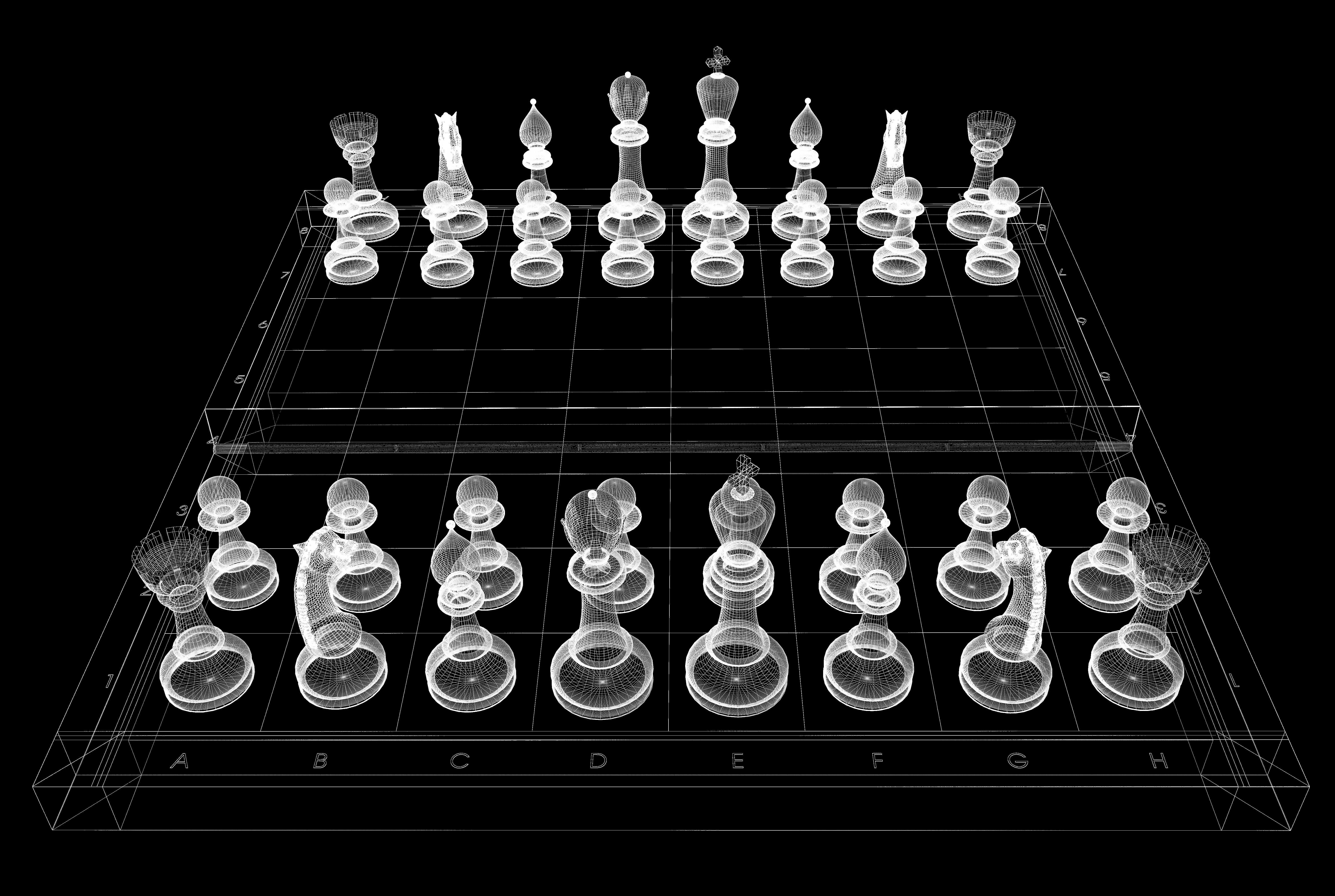
Archaeological Milestones in Classical Board Games

Advanced Backgammon Tactics

Comprehensive Chess Analysis

Draughts Algorithmic Solutions
Connect with Our Experts
Get in touch for insights and collaborations
Explore Strategic Game Technologies
Deep dive into classical games and advanced mathematical analysis.